Committed to Eye Care with Compassion, Technology and Competency

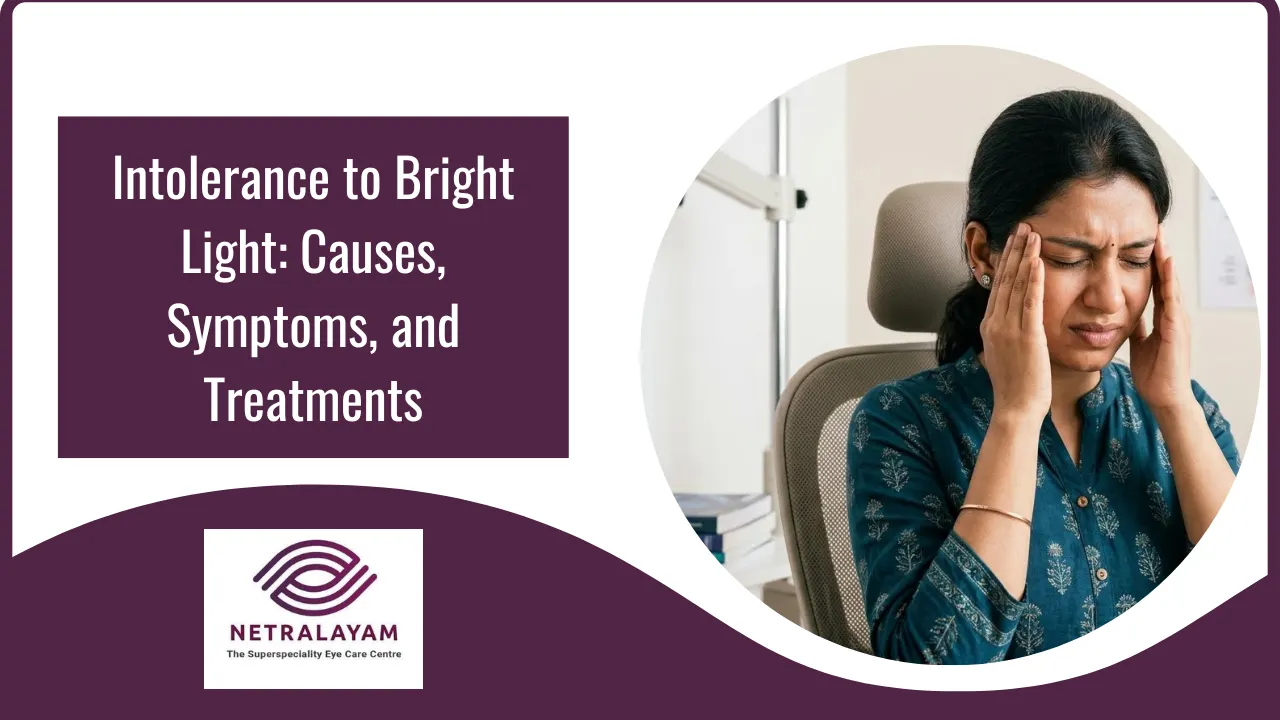
Intolerance to Bright Light: Causes, Symptoms, and Treatments


Intolerance to Bright Light: Causes, Symptoms, and Treatments

Eye Care

3/12/2026


In our increasingly illuminated world, filled with high-intensity screens and bright LED environments, eye sensitivity to light has become a growing concern for patients and specialists alike. When light levels that should be comfortable start causing pain or squinting, it is known as photophobia. This intolerance can stem from various sources, ranging from ocular surface issues like dry eye to neurological conditions like migraines.

Light sensitivity can affect anyone, from children to adults, and can range from mild irritation to debilitating pain that disrupts daily activities.

By understanding the relationship between your eyes and light, you can take proactive steps toward better eye health and long-term comfort.

What Is Light Sensitivity and Why Does It Happen?

Photophobia refers to an abnormal intolerance to light, often resulting in discomfort, squinting, or even headaches. Unlike the normal, brief squinting when stepping outdoors, photophobia causes persistent pain or vision problems in everyday lighting conditions.

The eyes become sensitive when the retina, cornea, or nerves controlling eye muscles are overstimulated. This can happen indoors under fluorescent lights, from screens, or in moderate sunlight. Understanding the difference between normal light adjustment and abnormal sensitivity is key to determining whether medical evaluation is needed.

Common Everyday Situations Where Light Intolerance Shows Up

Photophobia can creep into daily life in subtle ways. Recognizing these patterns early helps you take action:

  • Stepping into sunlight: Even mild sunlight can trigger squinting, eye pain, or tearing.
  • Digital screen exposure: Phones, laptops, and TVs can produce glare and cause eye strain, particularly in low-light environments.
  • Indoor lighting: Bright fluorescents or LED bulbs may trigger headaches or discomfort in sensitive individuals.
  • Driving at night: Headlight glare can become overwhelming, causing squinting or increased stress behind the wheel.

These experiences are more than inconvenient, they can indicate underlying eye or neurological concerns that deserve attention.

Causes of Intolerance to Bright Light

Light sensitivity can arise from eye-related issues, neurological conditions, vision problems, medications, and lifestyle habits.

Understanding the root cause helps in targeted treatment.

1. Eye-Related Causes

The most common triggers are directly linked to the eyes themselves:

  • Dry eye disease: Lack of proper lubrication makes the eyes more reactive to light.
  • Eye infections or inflammation: Conditions like conjunctivitis or uveitis irritate the eye, increasing light sensitivity.
  • Corneal problems: Scratches, abrasions, or keratitis amplify discomfort.
  • Recent eye surgery or injury: Recovery periods can make eyes unusually sensitive.

2. Neurological and Medical Causes

Light sensitivity can also stem from brain or nerve-related conditions:

  • Migraine and chronic headaches: Photophobia often accompanies migraines, sometimes preceding the headache itself.
  • Concussion or head injury: Even mild traumatic brain injuries can make bright lights unbearable.
  • Meningitis or nerve irritation: Photophobia with fever or neck stiffness is a medical emergency.
  • Other neurological conditions: Disorders affecting the optic nerve or brain can intensify light sensitivity.

3. Vision and Refractive Issues

Even simple vision problems can cause eyes to react strongly to light:

  • Uncorrected refractive errors like nearsightedness or astigmatism increase eye strain.
  • Poorly fitted contact lenses can irritate the cornea.
  • Eye strain from prolonged screen exposure is increasingly common in today’s digital world.

4. Medication and Lifestyle Triggers

Certain medications and lifestyle factors can worsen photophobia:

  • Some antibiotics and antidepressants may increase eye sensitivity.
  • Excessive screen time overloads the visual system.
  • Poor lighting habits at work or home can exacerbate discomfort.
  • Sleep deprivation reduces the eye’s resilience and recovery, amplifying symptoms.

Symptoms That Often Accompany Light Sensitivity

Light intolerance rarely exists in isolation. Common accompanying symptoms include:

  • Eye pain or burning sensation
  • Squinting or excessive blinking
  • Headaches or nausea
  • Tearing or watering of the eyes
  • Blurred vision in bright environments

If these symptoms persist or worsen, professional evaluation is critical to prevent complications and maintain quality of life.

When Is Light Sensitivity a Sign of a Serious Problem?

While many cases of photophobia are mild, some signs indicate urgent medical attention:

  • Sudden onset of severe light sensitivity
  • Accompanied by fever, neck stiffness, or confusion (possible infection or neurological issue)
  • Vision loss or double vision
  • Persistent eye pain that does not improve with rest

Recognizing these red flags can be life-saving and emphasizes the importance of prompt medical consultation.

How Intolerance to Bright Light Is Diagnosed

A thorough evaluation helps pinpoint the cause:

  • Eye examination and vision testing assess overall eye health and detect abnormalities.
  • Dry eye evaluation identifies insufficient tear production.
  • Medical history and medication review can uncover drug-related causes.
  • Neurological referral if headaches, nerve issues, or other systemic problems are suspected.

Early diagnosis ensures the right treatment plan and faster relief.

Treatment Options for Light Sensitivity

Effective management targets the underlying cause rather than just masking symptoms.

1. Treating the Underlying Eye Condition

  • Dry eye management using artificial tears, lifestyle adjustments, and medications.
  • Treating infections or inflammation with prescribed therapies.
  • Corrective lenses or prescription updates to reduce strain and glare.

2. Managing Neurological or Migraine-Related Sensitivity

  • Migraine control through medications, trigger management, and lifestyle adjustments.
  • Medication review to identify drugs contributing to light sensitivity.
  • Trigger avoidance such as limiting screen glare, bright sunlight, or poor sleep patterns.

3. Everyday Relief and Protective Measures

  • Sunglasses with UV protection outdoors
  • Screen filters and adjustable lighting indoors
  • Frequent screen breaks and limiting exposure
  • Hydration and quality sleep to support eye recovery

Can Light Sensitivity Be Prevented?

While not all photophobia is preventable, proactive measures reduce risk:

  • Regular eye check-ups to catch vision or eye health issues early
  • Managing screen time and reducing glare exposure
  • Maintaining eye hydration and proper lighting at work and home
  • Wearing protective eyewear outdoors to prevent UV-related irritation

When to See an Eye Specialist

Seek professional guidance if:

  • Light sensitivity persists for more than a few days
  • Symptoms are recurring or worsening
  • Daily tasks, work, or driving are significantly affected

Specialized evaluation ensures precise diagnosis and tailored treatment.

How Specialized Eye Care Can Help

Eye care professionals provide:

  • Comprehensive evaluations and advanced diagnostics for complex cases
  • Personalized treatment plans targeting the exact cause
  • Guidance for long-term prevention and lifestyle adaptation

Managing Bright Light Sensitivity!

Light sensitivity can stem from eye conditions, neurological issues, or lifestyle factors, and its impact on daily life shouldn’t be ignored. By understanding the causes, recognizing symptoms, and seeking professional care when needed, you can manage discomfort effectively. Prioritizing eye health, preventive habits, and timely treatment ensures brighter, more comfortable days ahead.

Get Expert Relief for Light Sensitivity at Netralayam

Light sensitivity can disrupt daily life, causing headaches, tearing, or blurred vision. At Netralayam, our expert team evaluates your eyes, identifies triggers, and creates a treatment plan to restore comfort. Trust our advanced care to keep your vision healthy and your days brighter.

Book your consultation now and experience clearer, more comfortable vision.

Frequently Asked Questions About Intolerance to Bright Light

1. Why do my eyes hurt in bright light?

Eye pain from bright light often occurs when the retina or nerves are overstimulated, or when underlying conditions like dry eyes, migraine, or inflammation are present.

2. Can children experience photophobia?

Children can develop light sensitivity due to eye infections, migraines, vision problems, or neurological conditions, making early evaluation important to ensure comfort and proper eye health.

3. Is light sensitivity permanent?

Light sensitivity is usually temporary and manageable. Treating underlying causes, adjusting lighting, and practicing eye-protective habits often restore comfort and reduce discomfort over time.

4. Are there quick relief methods for bright light sensitivity?

Short-term relief can include wearing sunglasses, reducing screen glare, adjusting indoor lighting, resting in dim areas, and using artificial tears to soothe irritated eyes.


More Resources:


image

Netralayam

The mission of Netralayam is to provide tertiary level superspeciality eye care service of highest quality to all sections of the society through a team of competent, committed and compassionate professionals in a patient-friendly environment.


Leave a Reply

Your email address will not be published. Required fields are marked *

WhatsApp
scroll up